

Calculator
Storage Rental Cost Calculator
Calculate a storage stay from billed periods, recurring fees, setup and transport, with whole-period rounding and a…
Storage units, portable containers, layouts, inventory and the cost of the full stay.
Calculate a storage stay from billed periods, recurring fees, setup and transport, with whole-period rounding and a…
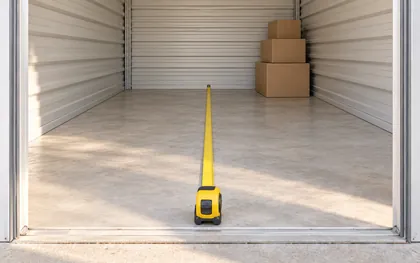
Screen storage floor area using packed volume, your chosen stacking height and a separately measured aisle, without…
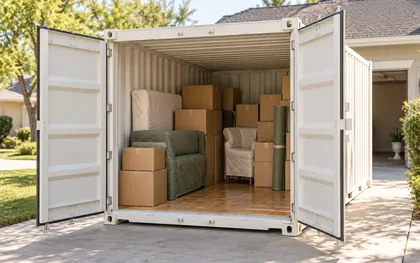
Compare your packed volume and packed weight with separately verified container limits to find an arithmetic minimum…
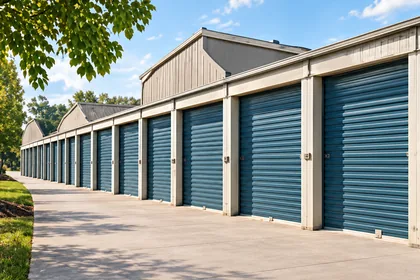
Compare nominal storage dimensions and floor areas, then subtract real access space and test your furniture layout…
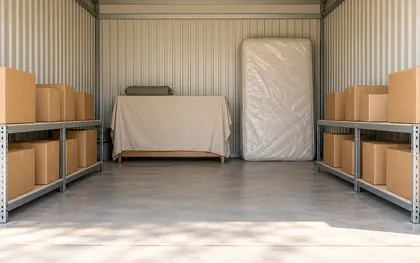
Inspect the assigned storage unit, map access and count the packages entering it so the inventory remains usable…
Calculate storage rent for the full stay, including recurring protection, setup charges, transport and the billing rules…
Sketch a storage layout using actual footprints and a usable access aisle, with separate checks for doors, height and…
Compare storage environments using your item requirements, the facility’s actual features and the full cost of the…
Compare a self-storage unit and a portable container by handling steps, access needs, delivery-site limits and…
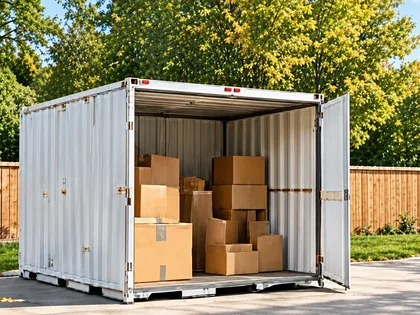
Build a container-moving budget from each delivery, pickup, transport and storage charge, plus separate labor and site…
Check a container delivery site with the provider and property manager before booking, including clearance, placement…
Check a container using separate volume and payload calculations, then review individual package dimensions and the…
Create a storage map that connects each box and furniture package to a zone, so retrieval does not require unloading the…
Plan the gap between leaving one home and entering the next, with separate storage, temporary-living and…
Plan storage move-out around notice, transport and billing dates, then reconcile the empty unit and account before…
Compare two storage offers across the full billed stay, including introductory rent, regular rent, recurring extras…
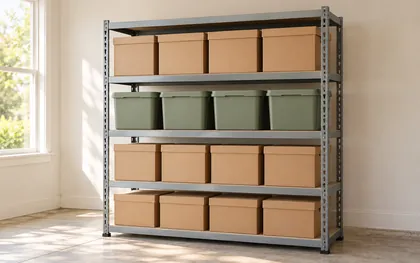
Screen identical packed boxes against usable shelf dimensions and separate per-level and whole-rack weight allowances…
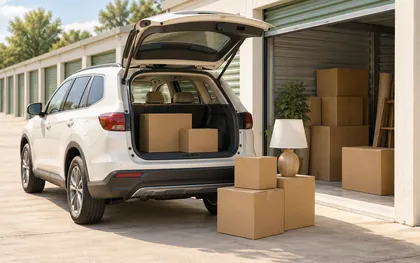
Estimate the direct cost and elapsed time of storage retrieval trips using whole visits, round-trip miles, fuel and paid…
Compare storage promotions over one, four and six billed periods using stated rates, recurring extras and the full…
Move between storage units with overlapping access, a traceable inventory and a final closeout that follows both…
Compare introductory storage offers across the full stay and find the billing period when a lower ongoing quote…
Plan a storage-unit transfer as a separate handling job, with measured access, overlapping rent and a clear point when…
Organize a shared storage unit with owner-specific inventory IDs, authorized access and an agreed process for payments…
Budget storage visits using round-trip distance, actual access arrangements and paid help, with travel time kept…
A unit size is only one part of a storage decision. List the items, packed dimensions, weights, retrieval frequency and expected move-out date. Then compare the actual unit or container, its access arrangements, allowed contents and billing terms. A nominal footprint or published cargo volume cannot guarantee a practical layout for a long sofa, non-stackable equipment or a heavy collection of books.
The unit-size calculator offers a quick proxy-volume screen. The floor-area calculator lets you enter a chosen stacking height and reserve a measured aisle. Neither tool decides what can safely be stacked. Draw the real arrangement and inspect the door before treating a calculated area as a rental recommendation.
The storage rental calculator adds the billing periods, recurring charges, one-time fees and transport you enter. A short gap between leases may still cross more than one billed period. Confirm promotions, renewal rates, move-out notice and any prorating directly with the operator. Do not use a first-period advertisement as the assumed price of an indefinite stay.
Count handling and travel in both directions. A self-storage unit can involve unloading the truck, later reloading it and another trip to the new home. A portable container can reduce some transfers but introduces delivery-site, access and scheduling questions. Compare those complete workflows rather than only monthly rent.
Use a location map with zones and stable package IDs. Put items you may need early where the agreed layout lets you retrieve them without destabilizing other belongings. Maintain an aisle based on actual access needs, not a universal percentage. When you remove an item, update its location rather than leaving a stale inventory entry.
Climate-related features and provider rules vary by facility and assigned unit. Ask what is actually controlled and what the agreement promises. For containers, verify both payload and volume; the arithmetic count is a lower bound because individual pieces and load distribution still matter. Calendar a review before the next billing decision so temporary storage remains an intentional part of the move.