

Truck & Van Size
Which truck — 10, 15, 20 or 26 ft — and how much space your things take.


Calculator
Rental Truck Cost Calculator
Add rental days, excess mileage, fuel and quoted fees for a moving truck, keeping included miles separate from total…

Calculator
Moving Fuel Calculator
Estimate moving-trip gallons and fuel cost from your route, loaded fuel economy and an optional mileage allowance for…

Chart
Truck Capacity Checks: Space, Weight and Access
Check cargo volume, payload, door openings and route clearance as separate constraints before treating a truck-size…

Chart
Moving Load Measurements: Units and Examples
Keep volume, weight, floor area and item dimensions in different columns, using worked conversions that avoid false…
Checklist
Rental Truck Return Checklist
Close a rental truck booking with a documented return, confirmed fuel and mileage terms, and a separate record of any…

Comparison
DIY vs Full-Service Movers: Compare the Whole Job
Compare a DIY move with full-service movers using complete costs, time commitments, access constraints and the work each…
Comparison
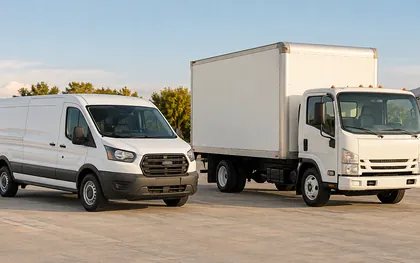
Cargo Van vs Box Truck for a Small Move
Choose between a cargo van and box truck by checking packed item dimensions, payload, loading access, trip count and the…

Cost guide
Build a One-Way Truck Rental Budget
Build a one-way moving truck budget from the quoted package, mileage allowance, extra days, fuel, equipment and return…

Cost guide
Price a Local Round-Trip Truck Rental
Calculate a local round-trip truck rental using every driven mile, the billed rental period, fuel, equipment and…
Guide
Estimate Fuel for a Loaded Moving Truck
Estimate moving truck fuel using total route miles, realistic mpg scenarios and a user-entered fuel price, with…
Guide
Check Truck Payload Separately from Cargo Space
Check moving truck payload with a separate weight ledger, actual vehicle limits and bulky-item measurements instead of…
Guide
Measure Furniture, Doors and Turning Space
Measure packed furniture against doors, hallways, stair landings and truck openings, then identify when disassembly or…
Guide
Inspect a Rental Truck Before Departure
Inspect your rental truck before departure, document existing condition and verify the assigned equipment, fuel level,…
Guide
Decide Whether Two Local Truck Trips Work
Test a two-trip local move against mileage, loading cycles, rental deadlines, elevator access and the verified…
Guide
Plan Labor-Only Loading and Unloading Help
Plan labor-only loading and unloading with a defined inventory, equipment list, minimum hours, access details and a…
Calculator
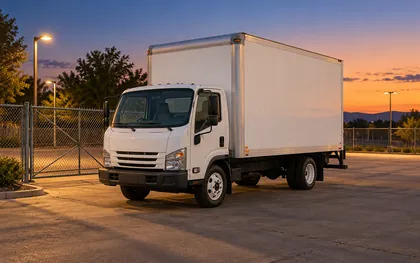
Truck Return Delay Cost Calculator
Estimate added rental charges after a delayed truck return using written grace time, billing increments and other…

Checklist
Moving Loading Dock Checklist
Confirm a moving loading dock reservation, vehicle access, receiving contact and handoff sequence before the truck…
Guide
Plan a Rental Truck Route for Height Limits
Plan a moving truck route using the assigned vehicle height, verified access points and a backup route for bridges,…
Guide
Plan Overnight Parking for a Moving Truck
Arrange overnight moving truck parking before booking lodging, checking the actual vehicle dimensions, access permission…
Guide
Budget for a Late Rental Truck Return
Estimate a rental truck return delay using the actual billing increment, confirmed grace period, equipment extensions…
Comparison
Rental Moving Truck vs. Cargo Trailer
Compare a moving truck with a cargo trailer by checking the complete towing combination, packed load, driver…
Guide
Coordinate a Loading Dock for Moving Day
Coordinate a moving loading dock with verified vehicle access, dock compatibility, staff responsibilities and a timed…
Screen the load before choosing equipment
A rental truck's advertised length does not describe every useful dimension. Start with packed item measurements, carton counts and documented weights. Then compare the actual equipment's cargo space, door opening, remaining payload and loading access. The existing home-size calculator is a preliminary volume model. Its bedroom and box assumptions do not guarantee that an individual sofa fits, that the load can be secured, or that the vehicle remains within its weight limits.
The guides here help you choose between a van and a box truck, price a local or one-way rental, inspect the assigned vehicle and coordinate labor-only help. The measurement tables distinguish feet, cubic feet, square feet and pounds so those quantities do not get substituted for one another.
Compare complete rental scenarios
The rental truck calculator combines whole billed days, excess mileage, fuel and other quoted charges. Included mileage is an allowance for the booking, not automatically a daily allowance. Count the actual pickup, loaded route and return travel. The fuel calculator uses your chosen loaded fuel economy and fuel price; neither default is a claim about the assigned truck's performance.
A two-trip plan needs more than twice the loaded distance. It can include an empty return between trips, repeated loading access and an extended rental period. Compare the full itinerary with a larger vehicle while keeping legal parking, clearance and driver comfort in view. Do not assume the smaller truck is cheaper merely because its daily base rate is lower.
Treat dimensions and handling separately
Measure the narrowest doorway and the turns on the route, not just the widest room. Record whether a furniture measurement is assembled, disassembled or already wrapped. Added blankets and corner protection change the package's dimensions. Even a plausible geometric fit still needs a suitable handling plan.
Follow the provider's instructions for the actual vehicle, equipment and load. Arrange qualified help when securement, heavy items or difficult access exceeds your experience. At pickup, document existing condition and return terms; at return, preserve the readings and acknowledgment. Keeping these records alongside the quote makes a later cost or condition question easier to resolve without relying on memory.